Region
Walking in the Algarve
Portugal's south coast on foot: golden cliffs, hidden coves, whitewashed villages, and quiet trails behind the busy beaches.
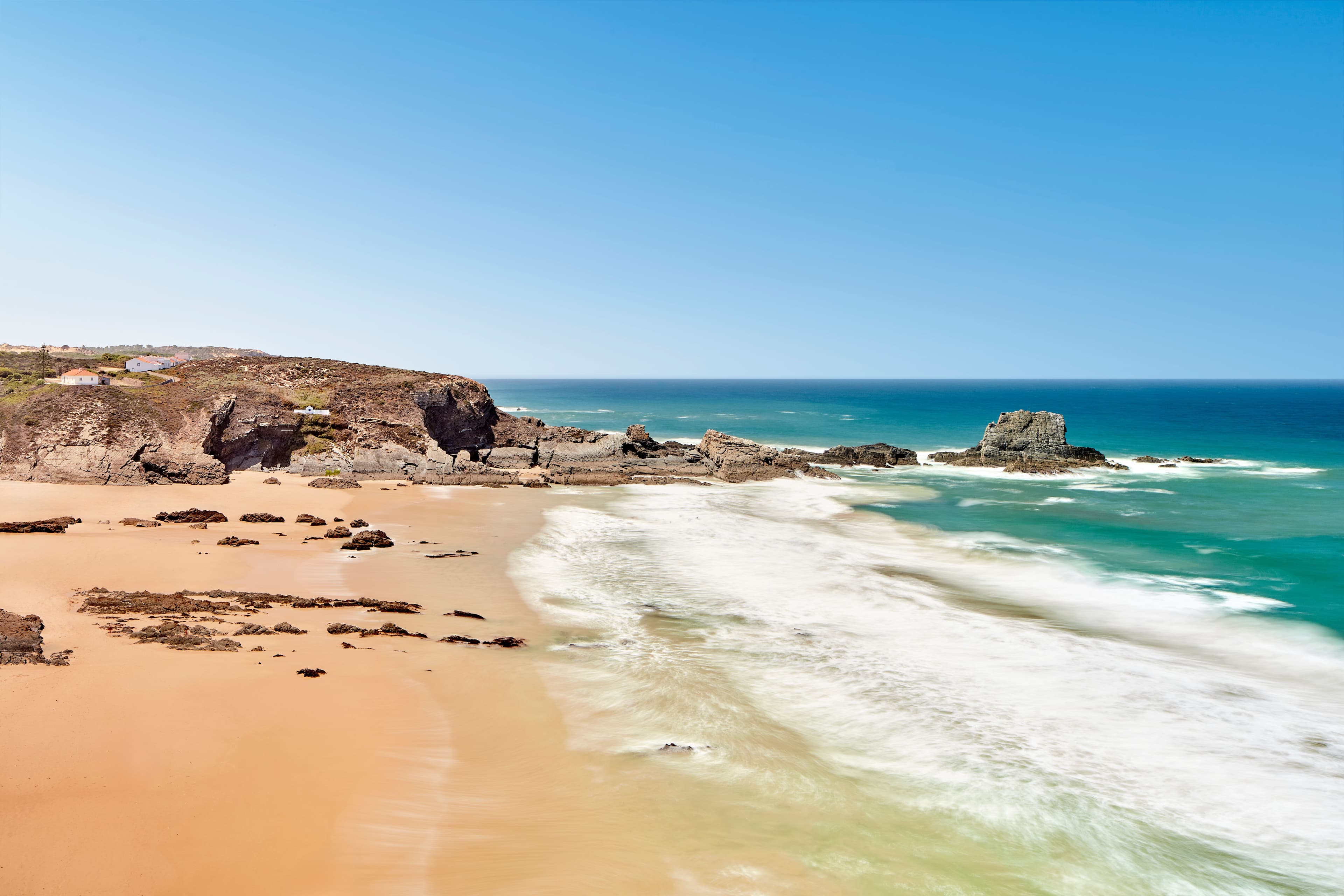
The Algarve is Portugal's southernmost region, on the Atlantic, where the wild west coast bends into the gentler south. Walking here means clifftop paths above golden coves, the boardwalks of the Ria Formosa, and the quiet interior the Via Algarviana crosses, away from the resorts.
What the walking is like
Cliff paths, boardwalks, hill tracks
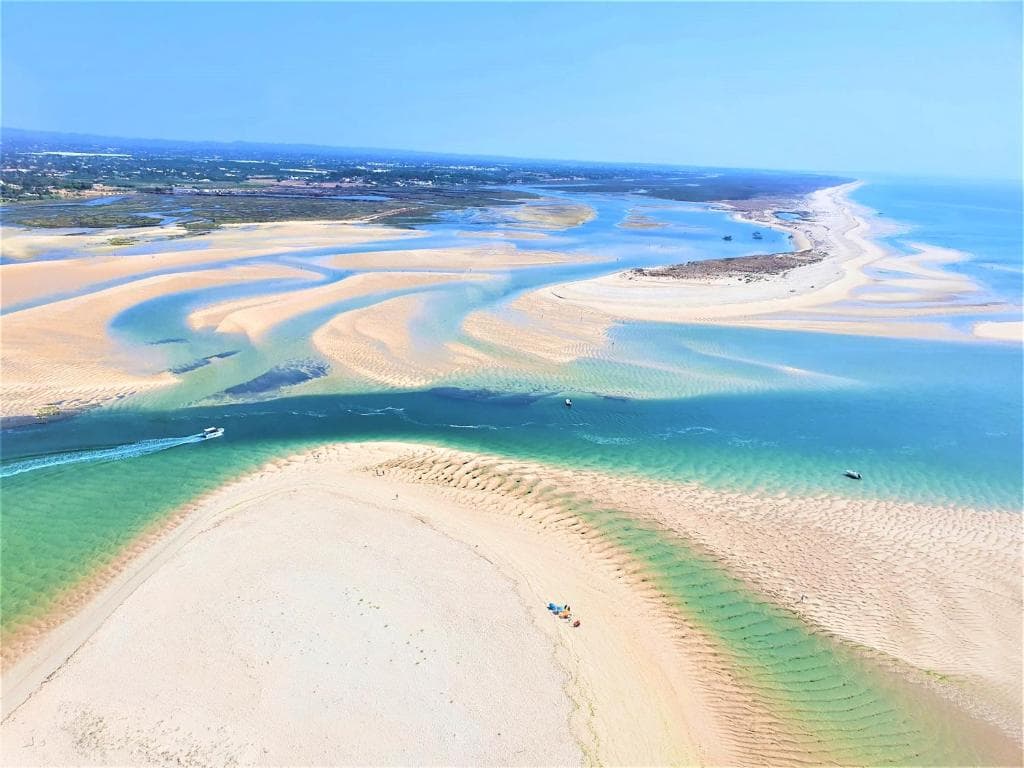
Most of the Algarve's best walking is on the coast, on cliff paths between coves with the sea always in view, or on the wooden walkways of the Ria Formosa lagoon. Inland, the Via Algarviana climbs into the hills, through cork oak, almond groves and small whitewashed villages.
Walks in the Algarve
Algarve walks
Self-guided and guided programmes, with bags moved, route notes and on-the-ground support.

Rota Vicentina Self-Guided Hiking Adventure
Discover the wild beauty of Portugal's coastal gem with our handpicked trails from the Fisherman's Trail.
€635
per person
Via Algarviana: 8-day Journey through the Untamed Algarve
Embark on a 8-day journey through the Algarve’s hidden trails with our self-guided Via Algarviana adventure.
€660
per person
East Algarve Trails: Via Algarviana Experience
An 8-day hiking trip exploring the East Algarve, featuring the scenic Via Algarviana trails.
On request
guided · small group
Rota Vicentina & Algarve Coastal Hikes
A 9-day hiking adventure along the renowned Rota Vicentina and the stunning coastlines of the Algarve and Costa Vicentina.
On request
guided · small groupOn the way
Highlights of the Algarve
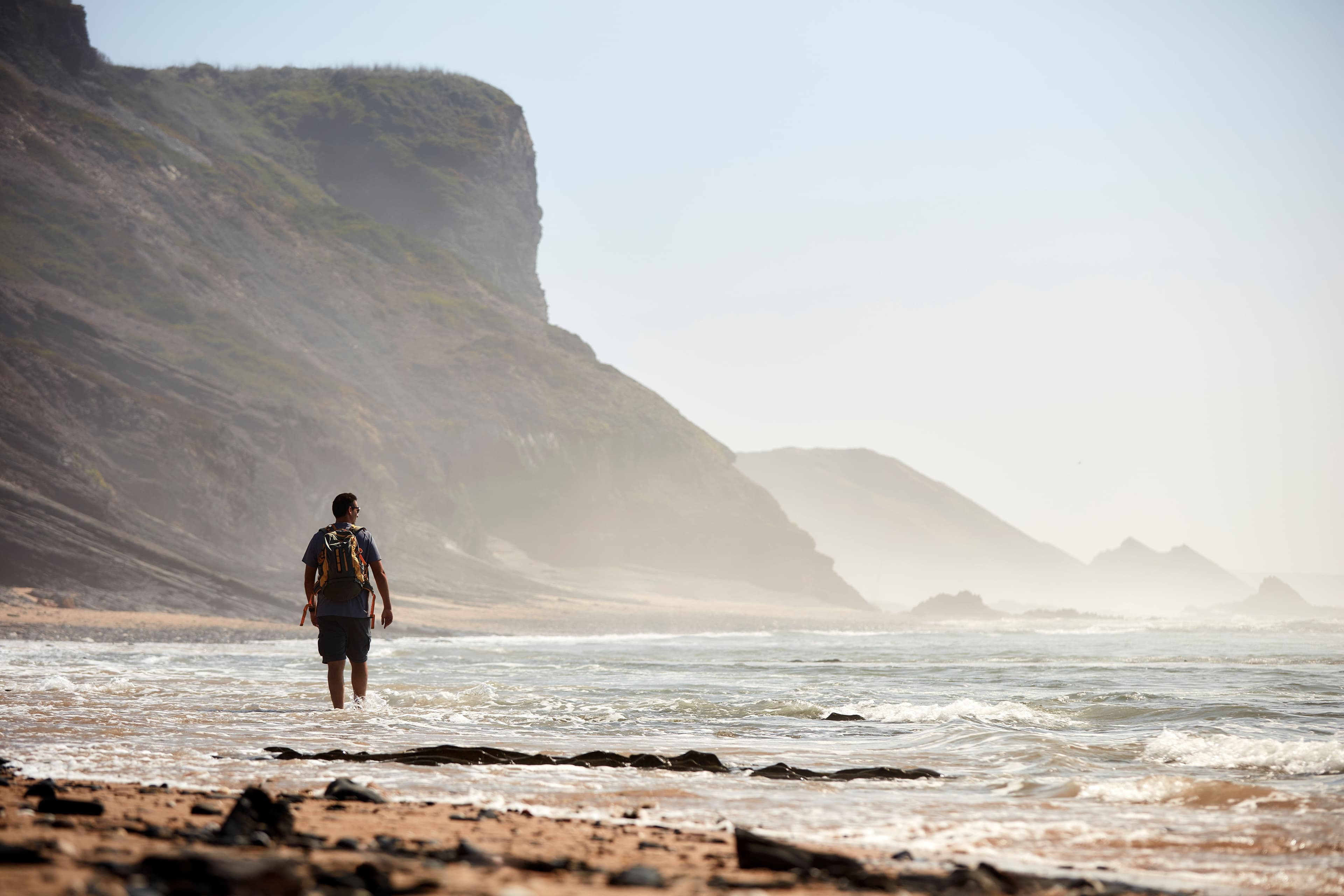
Rota Vicentina – The Wild Coast
Walk along Europe’s most breathtaking coastal trail. The Rota Vicentina leads you through rugged cliffs, fishing villages, and the raw beauty of the Atlantic. Expect dramatic views, fresh sea air, and the feeling of being far from crowds.
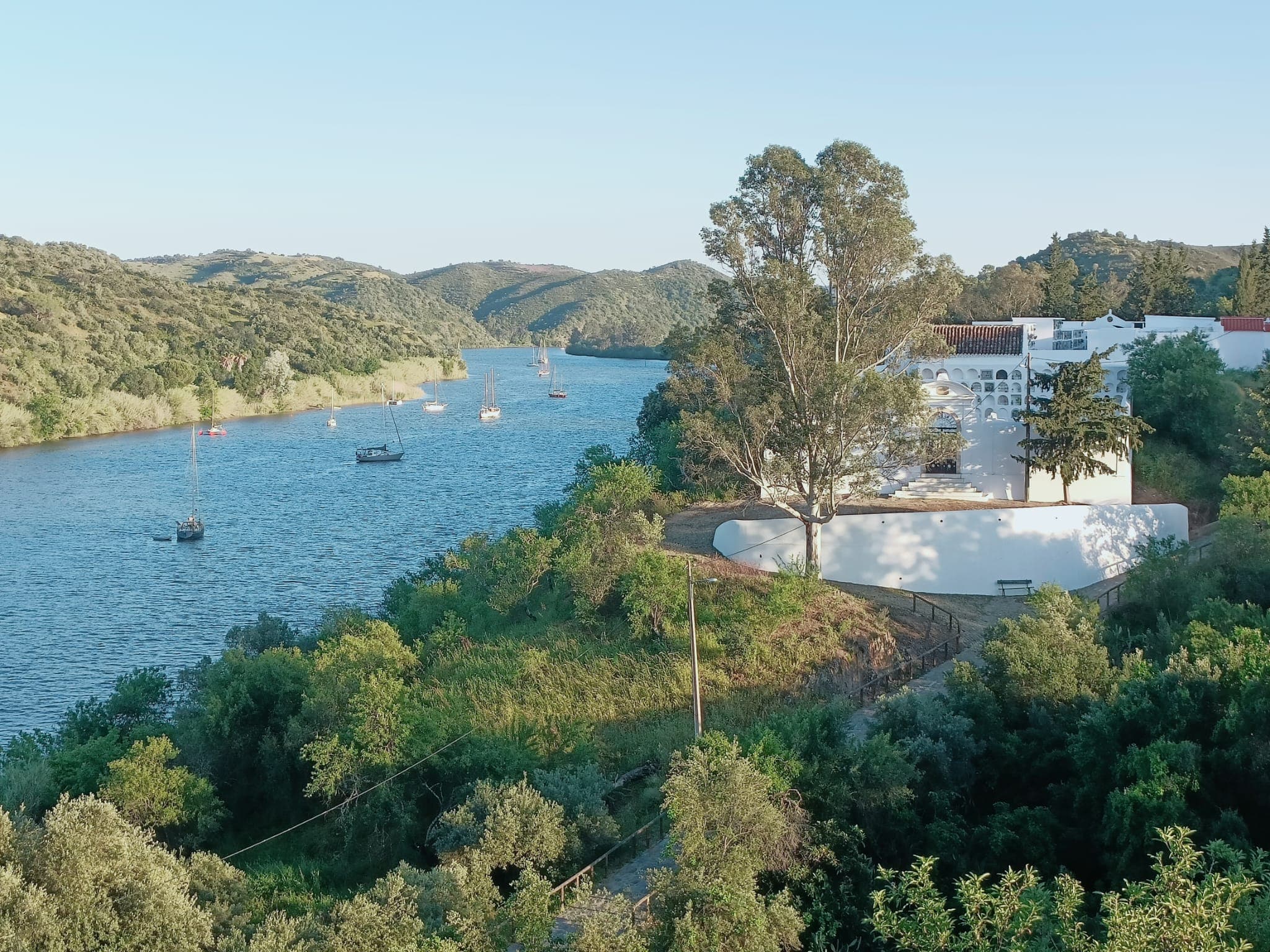
Via Algarviana – From the Mountains to the Sea
Follow this legendary inland route that crosses the Algarve from east to west. Through cork forests, quiet valleys, and hilltop villages, the Via Algarviana reveals the region’s rural soul — an authentic world away from the coast.
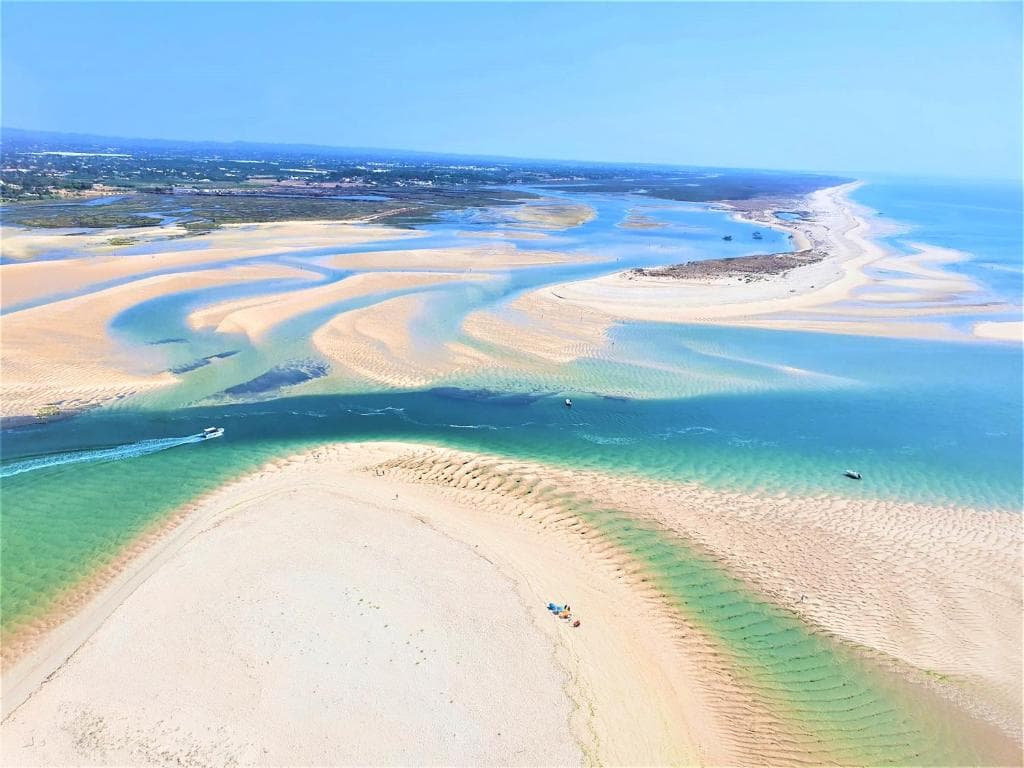
Ria Formosa – Where Land Meets Ocean
Discover a protected lagoon ecosystem filled with birdlife, salt pans, and coastal trails. The Ria Formosa invites slow exploration between Tavira, Fuseta, and the barrier islands, with endless opportunities for photography and peaceful walks.
When to walk
Best time to walk in the Algarve
The best time to walk in the Algarve is spring (March to May) and autumn (September to October), with mild temperatures. Winter is mild and walkable on the coast. Midsummer is hot for the longer or inland routes.
Spring
Best12–22°C
Wildflowers blanket the hills, and the countryside bursts with colour. Perfect temperatures (15–22 °C) make long hiking days a joy, and village festivals bring music and life to the trails.
Wildflowers • Mild weather • Birdwatching
Summer
19–35°C
Early-morning walks followed by ocean swims and long afternoons by the sea. Trails are dry and days long — ideal for coastal routes with sea breezes.
Ocean swims • Long daylight hours
Autumn
Best15–25°C
Soft golden light and calm weather make autumn one of the best times to hike. The trails are quieter, and temperatures are warm without the summer heat.
Golden light • Quiet paths
Winter
9–18°C
The Algarve’s mild winter is perfect for peaceful walks through empty landscapes. Expect bright mornings, soft light, and the scent of woodsmoke in small villages.
Empty trails • Soft light
The practical side
| Item | Detail |
|---|---|
| Terrain | Cliff paths, boardwalks, hill tracks |
| Difficulty | Easy to moderate |
| Daily distance | Typically 10–18 km, adjustable |
| Getting there | Faro airport; private transfers arranged |
| Luggage | Moved between accommodations each day |
Algarve FAQ
Coastal cliff walks between Lagos and Sagres, the southern stretch of the Fishermen's Trail, the boardwalks of the Ria Formosa, and inland sectors of the Via Algarviana through Salir, Alte and the Serra de Monchique.